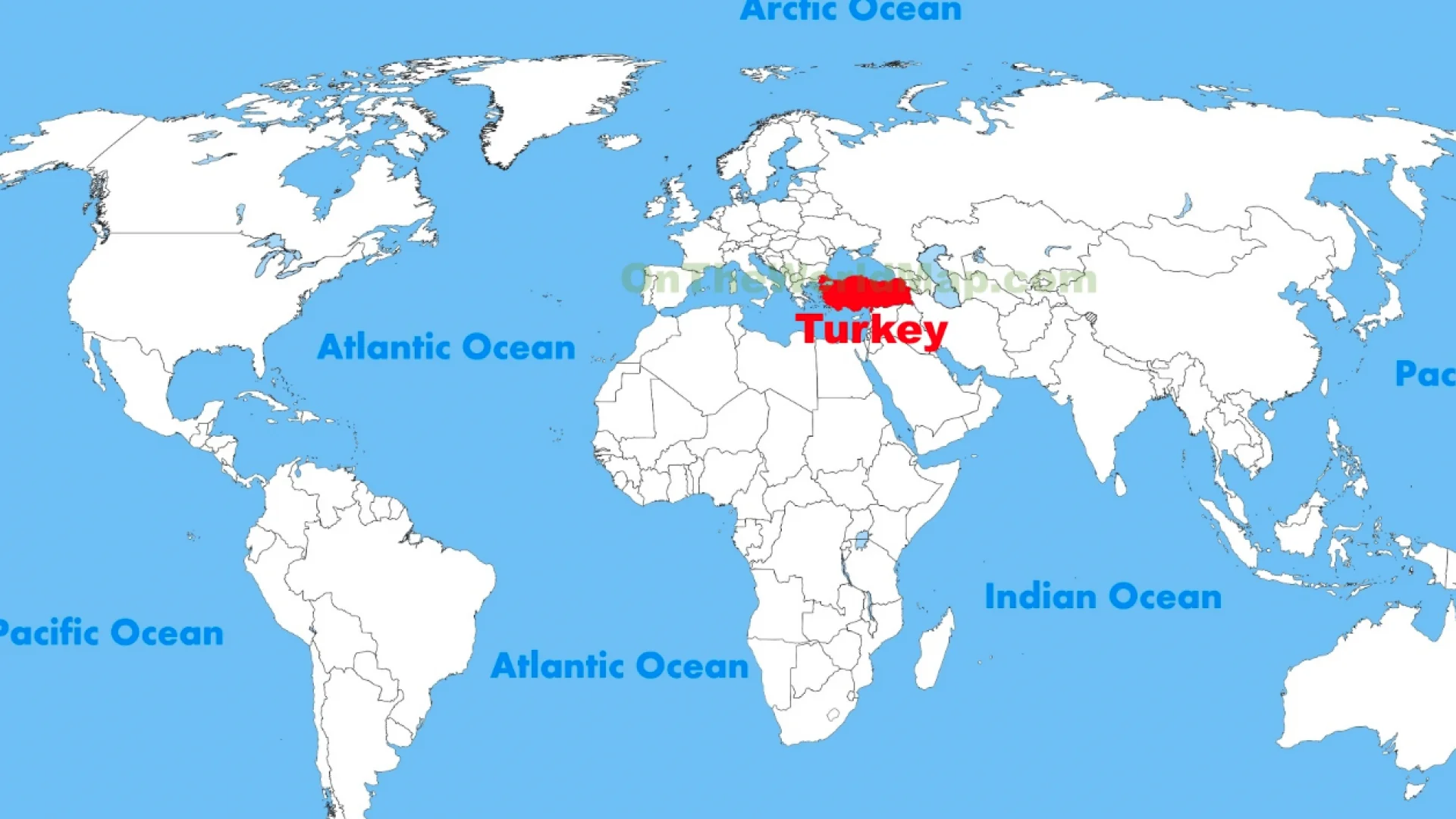
Turkey is a country that has a unique position both geographically and culturally. Located at the intersection of the continents of Asia and Europe, Turkey has hosted many civilizations throughout history thanks to this feature. So, which continent does Turkey actually belong to, and who are its neighboring countries? These questions are quite important for understanding Turkey's geographical location.
Turkey is located in the west of Asia and the east of Europe. A large part of the country is situated on the Asian continent, in the Anatolian peninsula, while a small portion is located on the European continent, in the Thrace region. This situation makes Turkey a strategic bridge connecting both Asia and Europe.
Turkey shares direct borders with six countries. These countries are:
This neighborhood makes Turkey an important actor both economically and culturally. Especially its connections with the Middle East, Europe, and the Caucasus strengthen Turkey's role in international relations.
Turkey's relations with the African continent have also drawn attention in recent years. Maritime transportation and trade through the Mediterranean have strengthened Turkey's connections with Africa. Particularly, relations with North African countries like Libya are increasing Turkey's strategic importance in this region.
In conclusion, Turkey's geographical position and its neighborly relations make it an important intersection point for both Asia and Europe, while its proximity to Africa also presents new opportunities. Turkey is a country that stands out with its historical and cultural richness, along with its strategic significance.
Turkey is located in a position that is quite rich both geographically and culturally. Its location at the intersection of the Asian and European continents is one of the most important factors that increase Turkey's strategic significance. While a large part of the country is situated in Asia, particularly on the Anatolian peninsula, a small portion is located in Europe, specifically in the Thrace region. This situation makes Turkey a part of both Europe and Asia, and because it is geographically at the junction of two continents, it has also been influenced by many civilizations.
Turkey's geographical position is of great importance not only in terms of continental classification but also in its role in trade, culture, and politics. Its proximity to the African continent, especially through trade routes across the Mediterranean, has made it an important connection point. Geographically, Turkey serves as a gateway to both European markets and the Middle East. This situation deepens the country's economic and political relations while also providing opportunities for international strategic partnerships.
Turkey's location has historically made it a meeting point for many civilizations, enhancing its cultural richness.
In conclusion, Turkey's geographical position plays a significant role in international relations due to its proximity to both Asia and Europe. This unique position allows Turkey to function not only as a transit country but also as a bridge. The country's neighbors and its strategic location make it an influential actor both regionally and globally.
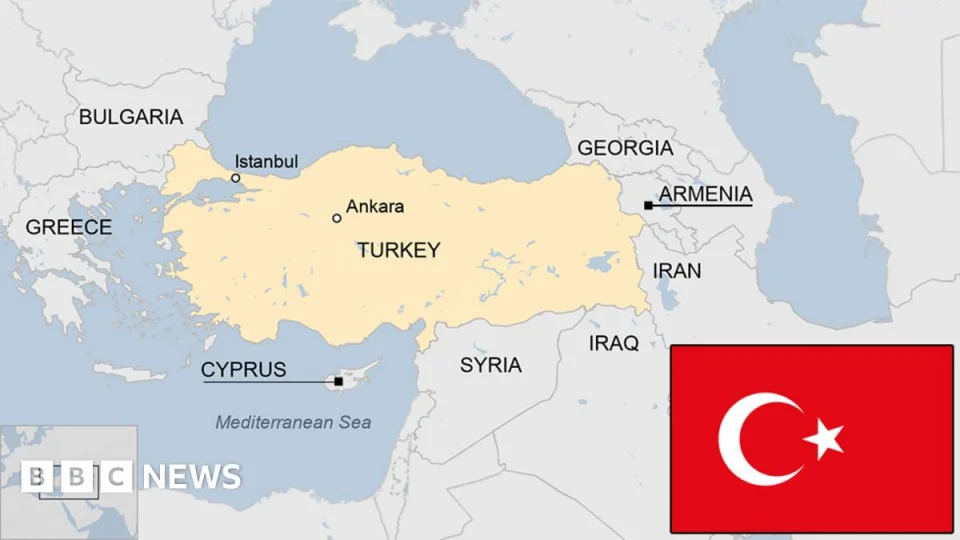
Turkey is a country that stands out due to its geographical location and historical background. Geographically, a large part of Turkey is located on the Asian continent, while a small part is on the European continent. This situation allows Turkey to blend both European and Asian cultures. Approximately 97% of Turkey's total land area is in Asia, while 3% is in Europe. Therefore, it is possible to say that Turkey is located in both Europe and the Middle East.
Turkey shares land borders with a total of eight countries. These countries are Greece, Bulgaria, Georgia, Armenia, Nakhchivan, Iran, Iraq, and Syria. Additionally, Turkey has maritime borders as well. It is surrounded by the Black Sea to the north, the Aegean Sea to the west, and the Mediterranean Sea to the south. This strategic location makes Turkey an important center for both trade and cultural interaction.
Geographically, Turkey is quite close to the African continent. It has direct connections with countries like Libya and Egypt across the Mediterranean. Furthermore, Turkey's relations with Africa have developed in recent years, establishing strategic partnerships with many African countries. This situation not only increases Turkey's influence in the international arena but also presents opportunities for trade and cultural collaborations.
Turkey is a country that serves as an important bridge both geographically and culturally. Neighboring Europe to the west and the Middle East to the east, Turkey is strategically located between Asia and Europe. This situation has allowed Turkey to host various civilizations throughout history and has reinforced its role in international relations. Geographically, Turkey is located in the west of Asia, while the Bosporus Strait marks the boundary of Europe.
Turkey's proximity to Africa is primarily facilitated through the Mediterranean. North African countries are quite close to Turkey by sea. For instance, Turkey's historical and cultural ties with Libya enhance the interaction between the two countries. This situation has also led to efforts to improve Turkey's relations with African countries in its foreign policy.
In short, Turkey is a critical transit point between Europe and the Middle East. This geographical position plays a significant role in Turkey's political, economic, and cultural relations. Turkey's connections with both Europe and the Middle East make it a unique actor on the international stage. This position is also of great importance for regional stability and security.
Turkey, due to its geographical location, is situated in both Europe and Asia, making it a strategic crossroads. To the north, it borders the Black Sea, to the west the Aegean Sea, and to the south the Mediterranean Sea, while to the east it shares borders with Georgia, Armenia, Azerbaijan, and Iran, and to the west with Greece and Bulgaria, and to the south with Syria and Iraq. These neighboring relationships strengthen Turkey's connections with both Europe and the Middle East, while also laying the groundwork for its proximity to Africa.
In recent years, Turkey has taken various diplomatic and economic steps to strengthen its relations with Africa. Notably, Turkish Airlines' direct flights to many countries in Africa have bolstered Turkey's connections with the continent, allowing for increased trade and cultural exchange between the two sides. Turkey's relations with Africa are deepening not only economically but also socially and culturally. For example, Turkish entrepreneurs are making various investments in Africa, further strengthening ties with the continent.
In conclusion, Turkey's geographical position keeps it closely linked with both Europe and the Middle East while enhancing its proximity to Africa. This situation paves the way for Turkey to play a more active role on the international stage and serves as a bridge between different continents. Turkey's strategic position contributes not only to economic relations but also to the strengthening of political and cultural ties.
Turkey is located at the crossroads of both Europe and Asia due to its geographical position. This situation makes Turkey an important bridge in cultural and historical contexts. Particularly, the Bosporus Strait forms a natural boundary between Asia and Europe, while historical trade routes like the Silk Road further enhance this transitory nature. Turkey's hosting of various civilizations throughout its history has significantly influenced its cultural richness.
Turkey shares borders with Greece, Bulgaria, Georgia, Armenia, Azerbaijan, Iran, Iraq, and Syria. The geographical proximity to these countries directly affects Turkey's regional policies and economic relations. Particularly, its borders with the Middle East place Turkey in a critical position regarding political and economic developments in that region. Additionally, Turkey's coastline along the Black Sea makes it a maritime bridge between Europe and Asia.
Turkey's multifaceted geographical position offers significant opportunities both culturally and economically. In this context, Turkey's role in both Europe and the Middle East has become an important factor in international relations. Historically, Turkey's strategic position has hosted many wars and peace agreements, making it a country of geopolitical interest.
