
Turkey has become a country where the cost of living has rapidly increased in recent years. Especially in large cities, essential expenses such as rent, transportation, and education are straining the budgets of many families. In this article, we will examine the cost of living in Turkey in detail, focusing on important topics such as rental prices, vehicle acquisition costs, and education expenses.
As of 2026, the cost of living in Turkey has risen significantly on an international level. This situation poses a significant problem, especially for those living in large cities.
In large cities, particularly in metropolitan areas like Istanbul, Ankara, and Izmir, the rent for 2+1 apartments ranges from 465 to 1,050 USD per month. In smaller cities, these prices range from 230 to 465 USD. The central location of these apartments is a significant factor affecting the increase in rental prices.
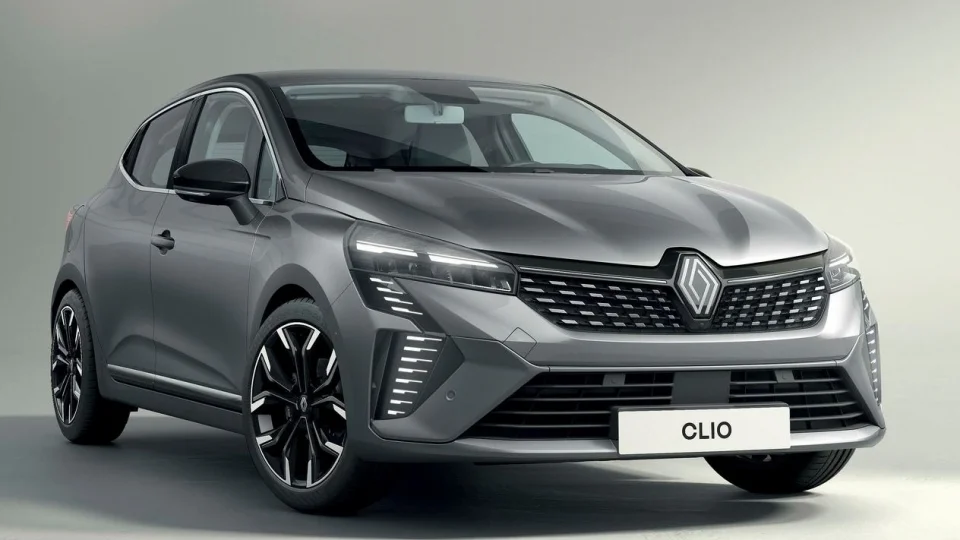
Owning a car in Turkey is becoming increasingly expensive. The entry-level prices for new cars start at around 28,000 USD. The prices for mid-range vehicles typically range from 28,000 to 46,500 USD. Daily car rental fees are generally around 25 to 40 USD in the economy class, which constitutes a significant expense for those who wish to use a vehicle when needed.
Especially in large cities, when considering transportation costs and vehicle acquisition expenses, you should definitely take these factors into account when planning your budget.
Private schools and universities in Turkey demand quite high annual fees. In some private schools, annual fees can start from 5,000 USD and go up to 25,000 USD or more. This situation significantly affects the education budgets of families.
While these high education expenses provide a significant advantage for families seeking quality education, it is a matter that requires careful consideration in budget planning.
When adding other expenses such as food, transportation, and bills, the monthly cost of living for a single person can reach 700 to 1,160 USD in many cities, while the monthly expenses for a family of four can reach 1,860 to 3,020 USD. In light of all this information, understanding the cost of living in Turkey can help you budget more consciously.
Rental prices in Turkey are a significant economic factor, especially in large cities. According to 2026 data, rents for 2+1 apartments in major cities like Istanbul, Ankara, and Izmir range from 465 to 1,050 USD per month. These figures can vary depending on the central areas of the city, the location of the apartment, and its amenities. In smaller cities, rents are more reasonable, typically ranging from 230 to 465 USD. This situation makes smaller cities attractive for individuals seeking lower living costs.
Housing options in Turkey are also quite diverse. Alternatives such as apartment flats, detached houses, and villas cater to different lifestyles. Especially in large cities, the development of transportation options leads tenants to prefer central locations. However, when choosing a home, it is important to consider not only the rent but also additional expenses such as electricity, water, and natural gas. These extra costs can affect your monthly living expenses.
In conclusion, rental prices and housing options in Turkey hold significant importance in terms of living costs. The high rents in large cities drive individuals and families to seek more affordable alternatives. In this process, conducting thorough research and planning your budget accurately will contribute to a healthier economic lifestyle.

In Turkey, the tuition fees for private schools and universities stand out as a significant cost item for families, especially those living in large cities. As of 2026, annual fees at private schools are expected to start from as low as 5,000 USD and rise to 25,000 USD and above. This situation is an important factor that families need to consider when planning their education budgets. In major cities like Istanbul, Ankara, and Izmir, the facilities and quality of education offered by private institutions directly affect the prices.
In this context, it is crucial for families and students to engage in budget planning to manage educational expenses effectively. Tuition fees for private schools and universities are not limited to educational costs alone; they also require consideration of transportation, meals, and other living expenses. For instance, a student's monthly living costs, when including food, transportation, and other expenses, can reach levels of 700–1,160 USD. Therefore, taking into account not only educational expenses but also overall living costs will enable families and students to make more informed financial plans.
The cost of living in Turkey, especially in large cities, is steadily increasing. Food and transportation expenses constitute a significant part of these costs. As of 2026, food prices and transportation costs in Turkey are at quite high levels. This situation is a factor that both domestic and foreign investors need to consider.
Transportation expenses also play an important role in the cost of living. In Turkey, especially in large cities, public transportation costs have increased. For instance, a bus or metro ticket typically costs around 10 TL. Additionally, the cost of owning a private vehicle should not be overlooked. The cost of a new vehicle generally starts at around 28,000 USD, depending on the model. This situation makes vehicle ownership more challenging and leads many people to prefer public transportation.
In summary, the cost of living in Turkey is quite high in terms of food and transportation expenses. Therefore, it is crucial to carefully calculate these expenses when planning for living. Individuals and families living in large cities especially need to manage their budgets carefully.

Monthly living costs play an important role in determining the quality of life in a country. As of 2026, living costs in Turkey have shown a particularly noticeable increase in major cities. For example, the monthly rental cost of a 2+1 apartment in large cities like Istanbul, Ankara, and Izmir ranges from 465 to 1,050 USD. In smaller cities, this figure is around 230 to 465 USD. This situation necessitates significant budget planning for both locals and immigrants.
The cost of owning a car is also quite high. The entry-level prices for new cars start at approximately 28,000 USD. The prices for mid-range vehicles typically range from 28,000 to 46,500 USD. This situation poses a significant burden for individuals looking to purchase a vehicle and leads them to consider alternative transportation methods.
Another important budget item is education. The annual fees for private schools and universities can start from 5,000 USD and go up to 25,000 USD or more in some cases. This requires families to be very careful when planning their education expenses. When food, transportation, and bills are added, the monthly living cost for a single individual varies between 700 and 1,160 USD in many cities, while the monthly expenses for a family of four can reach levels of 1,860 to 3,020 USD.
In conclusion, living costs in Turkey show significant diversity and require careful planning when individuals or families are creating their budgets. This data can help both established residents and newcomers understand the standard of living.
